
Start-up and care
New pool start-up and the first 30 days
A new pool is at its most delicate in its first weeks. After every Lombardo build or renovation, our team looks after it for 30 days, then hands it over with every system explained.
The day a new pool is filled is not the day it is finished. A fresh interior finish is still curing, the water has to be brought into balance from scratch, and the pumps, heaters, salt system, lights and automation are running together for the first time. How those first weeks go decides how the finish looks for years.
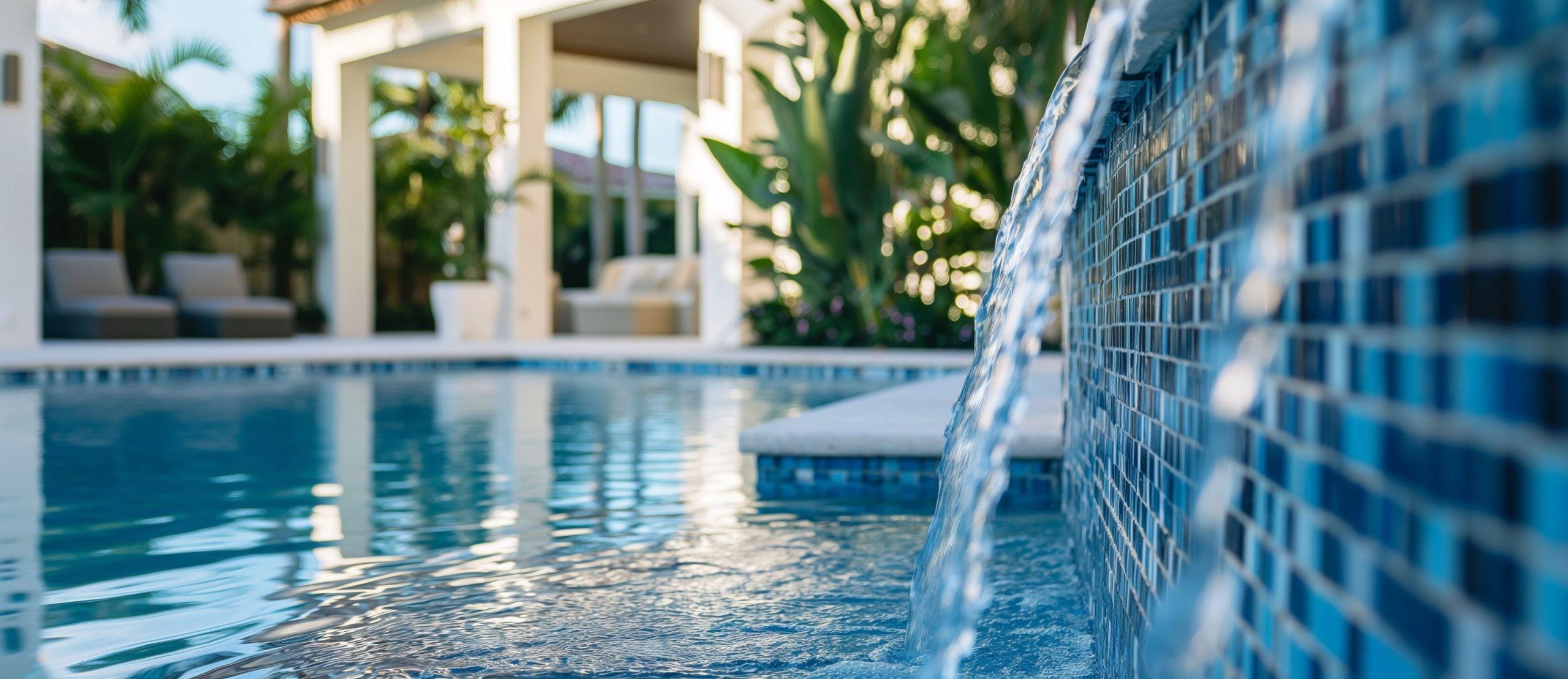
That is why Lombardo Pools stays with every new pool and every renovation for its first 30 days. Our team starts the pool up, manages the water and the new finish through the curing period, adjusts equipment and schedules as the pool settles, and then walks you through every system at handover.
We do not offer ongoing pool maintenance or service programs. After the first 30 days, care of the pool passes to you or to a pool service company of your choosing, and this page explains what that care involves so you can choose well.
- Care period
- The first 30 days after a new build or renovation
- Start-up
- Water balance, finish care through curing, equipment and automation commissioning
- Handover
- A walkthrough of every system: automation, equipment, features and finishes
- Ongoing maintenance
- Not offered; arranged by the owner after the first 30 days
- License
- Florida commercial pool/spa contractor, CPC1460063
- Where
- Fort Myers, Naples and Southwest Florida
01
Pool start-up: the first days after the fill
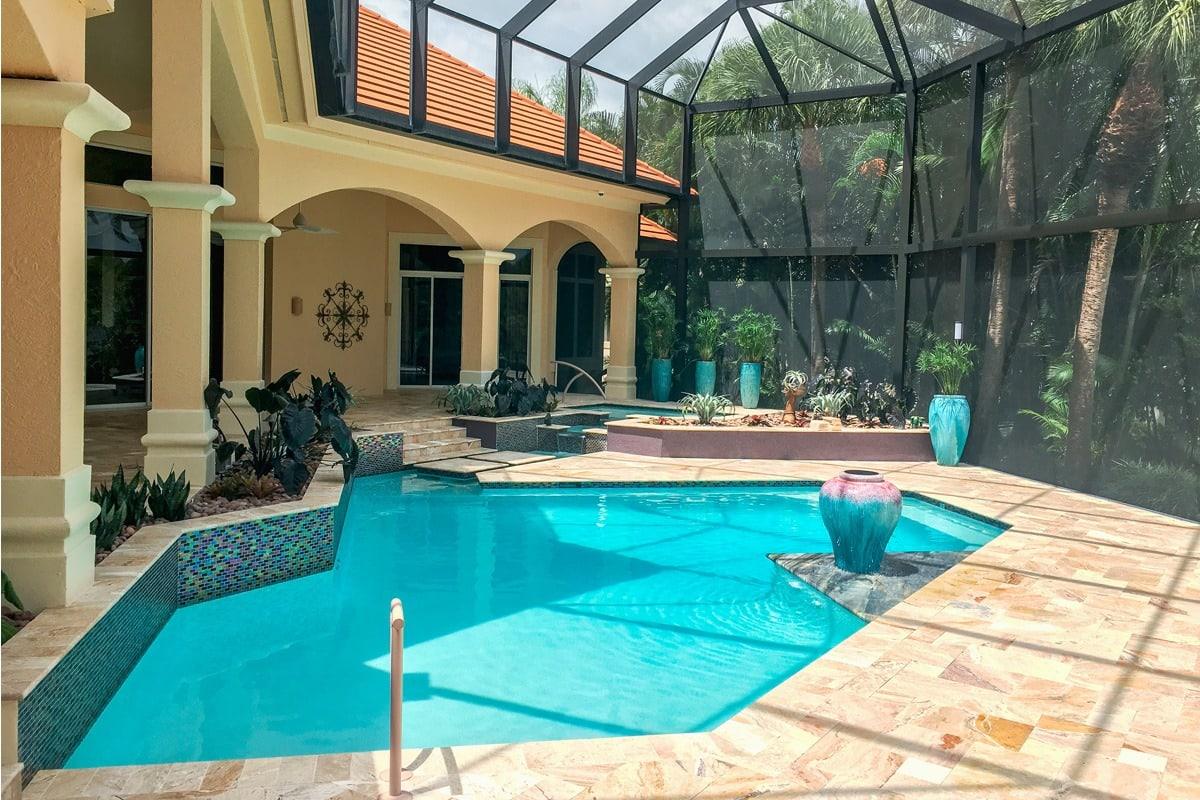
Start-up begins as the pool fills. The water is tested and balanced from the beginning, because water that is aggressive or scale-forming while a cement-based finish cures can etch, streak or discolor it. The start-up follows the finish manufacturer's procedure or the National Plasterers Council's, which call for frequent brushing and careful chemistry in the early days.
At the same time the equipment is commissioned: flow and pressure checked, the heater and any heat pump proven, the salt system brought up to level, lights and features tested, and the automation set to run the way you will actually use the pool.
- Water balance from the first fill: pH, alkalinity, calcium and sanitizer
- Finish care through curing, following the manufacturer's or NPC start-up procedure
- Pumps, filter, heater and heat pump commissioned and checked under load
- Salt system, lighting, water and fire features tested
- Automation schedules and scenes set up for how you live
02
Thirty days of care after every build and renovation
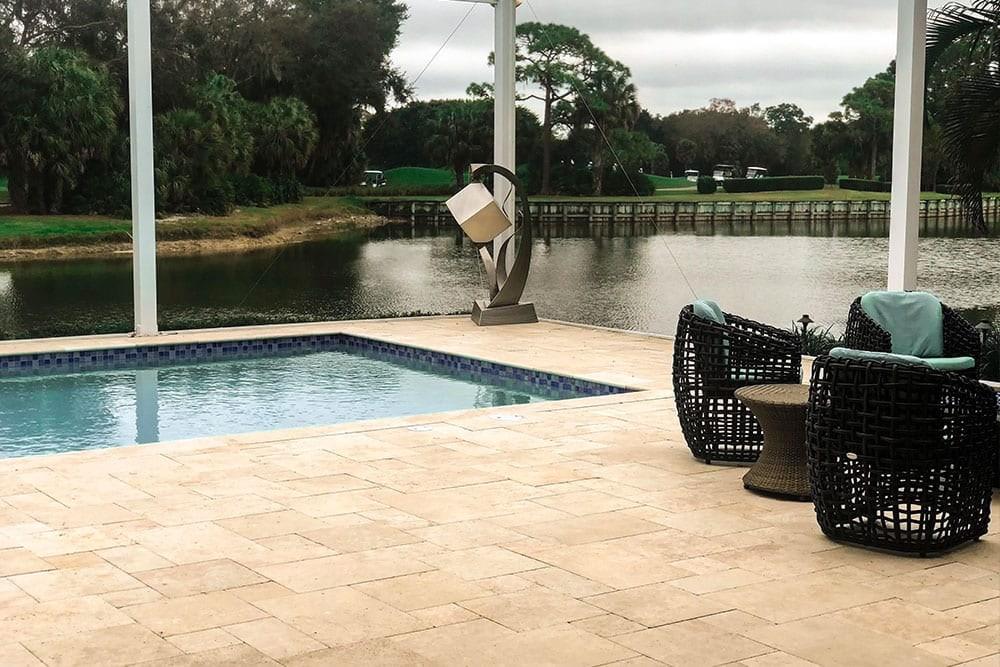
Through the first 30 days the pool is still ours to look after. The water is kept in balance while the finish settles, the equipment and automation are adjusted as real use shows what the pool needs, and anything that should be corrected is corrected while the build team is still close to the project.
Renovations get the same attention. A resurfaced pool has a new finish curing just like a new build, and a renovation that changes plumbing, equipment or automation needs the same settling-in period before it is handed back.
03
The handover: knowing your pool
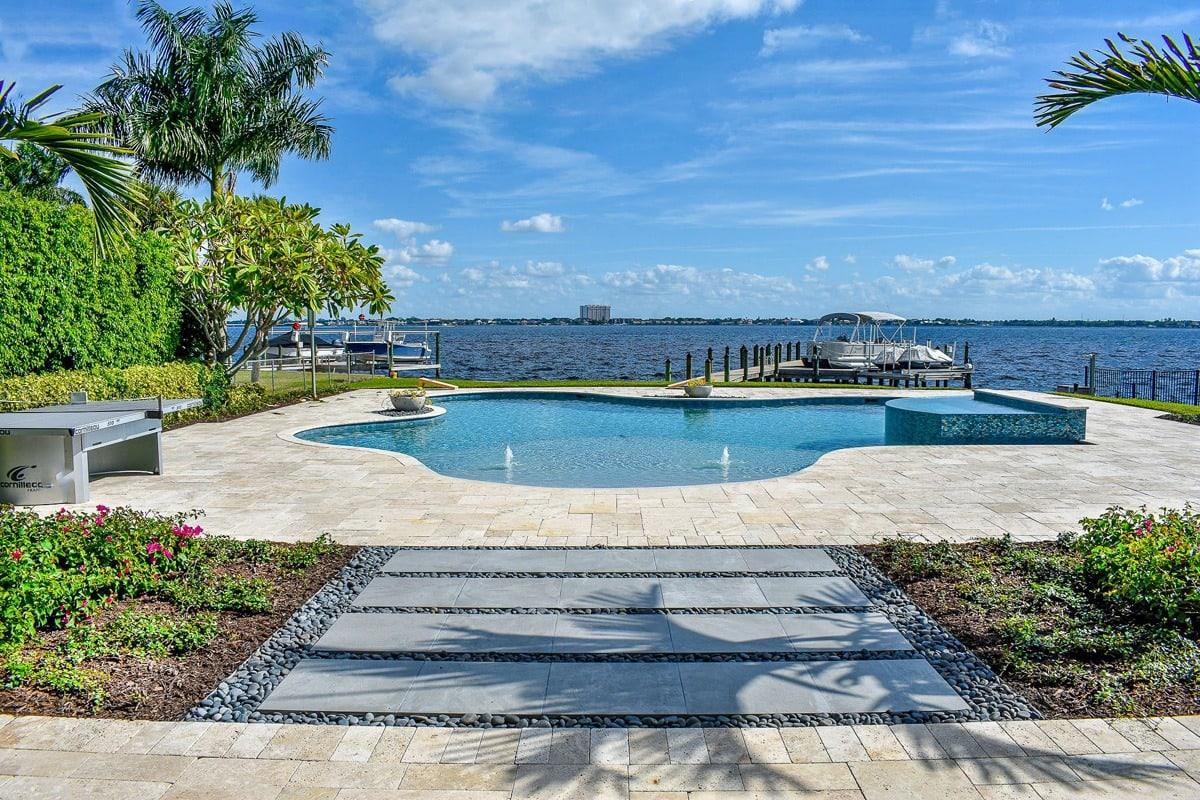
At handover we walk you through every system: what runs when, how the automation app controls heat, lights and features, where the equipment lives, and what to watch for on a custom pool with glass tile, natural stone or a salt system.
The aim is that you, or whoever looks after the pool next, start with a pool that is balanced, settled and fully understood.
04
After the first 30 days: choosing ongoing care
Ongoing maintenance is not a service Lombardo Pools provides, so it is worth choosing the next person carefully. A custom pool asks more of a service company than a weekly net and test kit.
Chemistry matters most. Water that runs out of balance can etch plaster and pebble interiors, scale glass tile and sheer descents, and stain natural stone, and correcting that can mean resurfacing years early.
- Experience with variable-speed pumps, salt systems, heat pumps and gas heaters
- Familiarity with your automation system, so schedules change with the seasons
- Care with glass tile, natural stone coping and decks, and sheer descents
- Attention to water and fire features: nozzles, weirs, burners and igniters
- A plan for seasonal absences and for hurricane season
05
Hurricane season: what every pool owner should know
The Florida Swimming Pool Association's guidance is practical. Do not drain the pool, because the water's weight helps hold it in place when the water table rises in a storm. Turn off power to the pool equipment at the breakers before the storm arrives, shock the water since power may be out for an extended time, and wrap or remove exposed equipment such as pump motors if flooding is expected. Bring loose furniture and accessories inside.
After the storm, leave the water in. Clear debris as soon as it is safe to limit staining, then rebalance and filter until the water is clear. If equipment was underwater, have a licensed professional inspect it before it is switched back on. On screened pools, check the enclosure frame and anchors as well as the mesh.
FAQ
Pool Start-Up and 30-Day Care: questions
Does Lombardo Pools offer ongoing pool maintenance?
No. We look after every new pool and renovation for its first 30 days, through start-up and the curing of the new finish, and then hand it over with every system explained. Ongoing care after that is arranged by the owner.
What happens during pool start-up?
The water is balanced from the first fill, the new interior finish is brushed and protected while it cures, and the pumps, filter, heater, salt system, lights, features and automation are commissioned. On cement-based finishes the start-up follows the manufacturer's or the National Plasterers Council's procedure.
Why are the first weeks so important for a new pool finish?
Cement-based finishes such as plaster and pebble cure in the water, and they are most sensitive while they do. Water that is out of balance in those weeks can etch, streak or discolor the surface, which is why chemistry and brushing are managed closely at start-up.
What should I look for in a pool service company for a custom pool?
Experience with the equipment your pool actually has, such as variable-speed pumps, salt systems, heat pumps and automation, and care with glass tile, natural stone and water features. Ask how they handle chemistry for your interior finish and what their plan is for seasonal absences and hurricane season.
Should I drain my pool before a hurricane?
No. The Florida Swimming Pool Association advises keeping the water level up, because the water's weight helps keep the pool in place when the water table rises. Turn off power at the breakers, shock the water, and protect or remove exposed equipment if flooding is likely.
What should I do with my pool after a hurricane?
Keep the water in, clear debris as soon as it is safe, and rebalance and filter until the water is clear. Do not restart equipment that was submerged until a licensed professional has inspected it, and check the screen enclosure frame, not only the mesh.
Where we build
Pool Start-Up and 30-Day Care across Southwest Florida
- Pool builder in Naples
- Pool builder in Fort Myers
- Pool builder in Cape Coral
- Pool builder in Bonita Springs
- Pool builder in Estero
- Pool builder in Sanibel Island
- Pool builder in Captiva Island
- Pool builder in Marco Island
- Pool builder in Fort Myers Beach
- Pool builder in Boca Grande
- Pool builder in Punta Gorda